Working to protect the Mississippi River and its watershed in the Twin Cities area

Land Conservation Program

About the Land Conservation Program


The Mississippi River is an ecological resource of international significance. In the Twin Cities, the river’s scenic bluffs, floodplains, prairies and shorelands are disappearing quickly as new development displaces natural landscapes. Protecting land that is ecologically linked to the Mississippi River and its important tributaries is one of the strategies that Friends of the Mississippi River (FMR) uses to pursue its goal of improving the portion of this great river that is within the Minneapolis/St. Paul metropolitan area.


FMR, through its Land Conservation Program, works with public and private landowners, local governments and concerned citizens to protect and restore critical lands by providing planning, land protection and natural resources restoration services. Our many restoration and conservation initiatives reflect the urgency of protecting the river’s ecological functions.
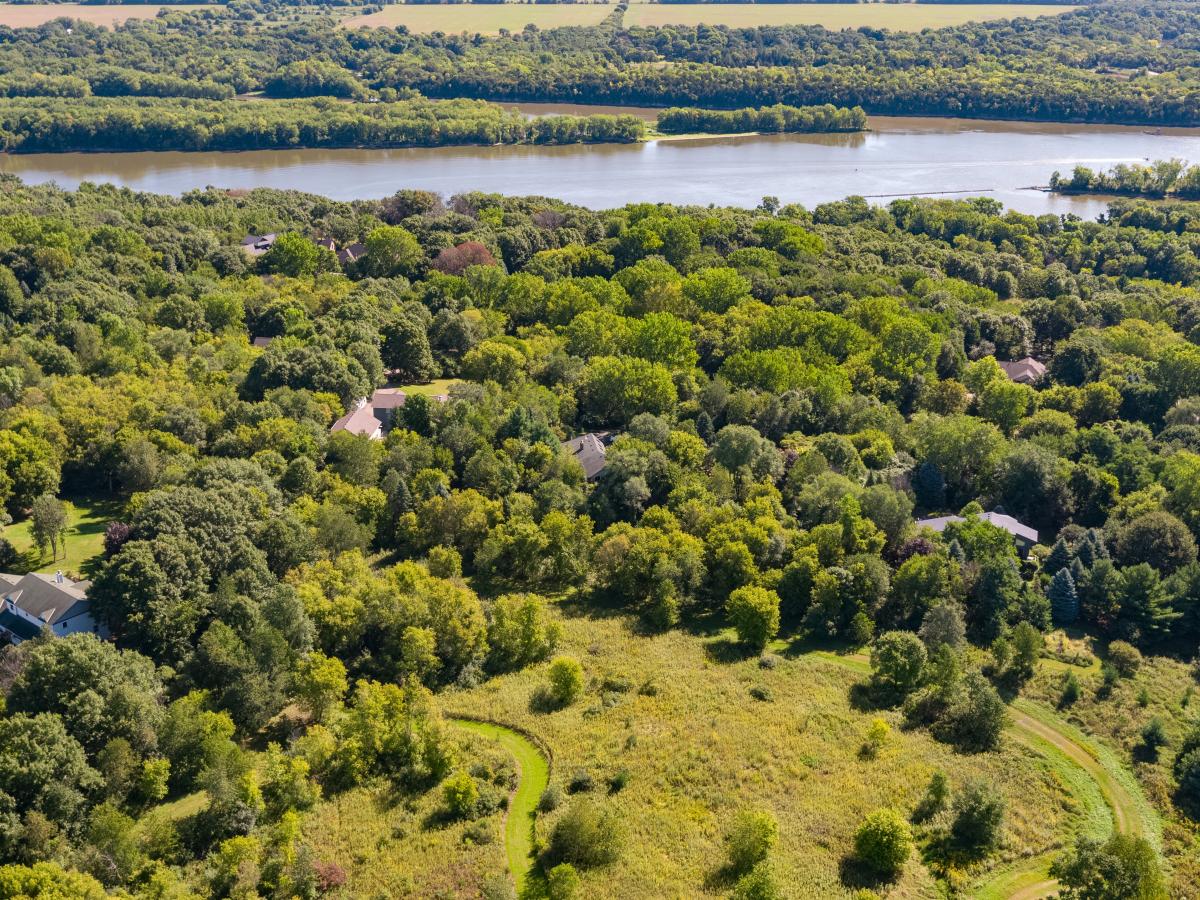

FMR approaches land conservation in a very systematic way. The first step is to identify natural areas and other important lands that can contribute to a healthy, diverse and dynamic river ecosystem. After gaining a better understanding of what land is important for us to focus on, we reach out to the landowner, public or private, to engage them in a discussion about their property and to offer our assistance in achieving their protection or habitat improvement goals.


If a landowner is interested in permanently protecting their property, we assist them in exploring what the options are and often guide them and their protection project through until the end. We have partnered with many landowners and conservation partners to protect thousands of acres of land; Land that is critical to the health of the river.


A third and vitally important component of our program is to assist landowners in restoring or enhancing natural communities on their property. We have conducted restoration and enhancement activities on over one thousand acres of land. Land that now contains habitat where little existed before or where once degraded habitat has been greatly improved.

For more information:

FMR helps create new Chimney Rock SNA

Working with landowners, state and local government staff, FMR has helped create three Scientific and Natural Areas over the last ten years in Dakota County. Newest among them is Chimney Rock SNA — a 76-acre wooded area surrounding a stunning ancient rock column near Hastings. Read more…

FMR featured in IQ's excellent river issue

The Mighty Mississippi is a cultural icon, a defining characteristic of our communities and perhaps even our identities. So, why doesn't it float on our minds more often? The Initiative Foundation poses this essential question in their fall issue of IQ or Initiative Quarterly: "Mighty — Our River Resurgence." Read more…

Hastings Sand Coulee SNA triples in size!

The Hastings Sand Coulee Scientific and Natural Area recently increased from 83 to over 267 acres. The protection of an additional 185 acres of prairie and woodland along the southeast border of Hastings this June was the result of a team effort between the SNA program at the Minnesota Department of Natural Resources, Dakota County and FMR. Read more…

Restoration planning begins at river bluff forest

Planning begins for management of rare old growth forest at Hastings Scientific and Natural Area. Read more…

Rare Prairie Wildflower Walk

One of only a few dry sand prairies remaining in the metro area and the largest in Dakota County, the coulee hosts rare plant and animal species and is home to many species found only in this type of ecosystem! Read more…

Pine Bend Bluffs Habitat Restoration [FULL]

Learn about and help resotre one of the most beautiful areas in the Upper Mississippi River Basin, Pine Bend Bluffs Scientific and Natural Area. Read more…

Check out the new video about FMR’s land conservation work

Over the past twelve years, FMR has worked to protect, restore and manage hundreds of acres of natural lands along the Mississippi River. This new video by local filmmaker and FMR volunteer Tony Andrea is an introduction to this important work. Read more…


Welcome new ecologist, Joe Walton!

Welcome Joe Walton, FMR's newest staff ecologist. Read more…

Pine Bend Riverfront Restoration

Read more…
After a quick hike in the bluffs, volunteers will work with an ecologist to remove the invasive species garlic mustard from the riverfront.

FMR’s Pine Bend conservation success big news!

Several news outlets have lauded the recent addition of 66 acres to the Pine Bend Bluffs Scientific and Natural Area — a significant victory for FMR, the Minnesota Department of Natural Resources, Dakota County and all who value the Mississippi River corridor. Read more…

Restoration plans completed for newly protected Dakota County lands

As the field season wound down and plan-writing season began, FMR completed four natural resource management plans for properties that will be permanently protected through Dakota County’s Farmland and Natural Areas Program. Read more…

FMR protects 191 acres! Partnerships, perseverance pay off

In 2010, FMR's conservation efforts led to the permanent protection of 191 acres of important river corridor lands. Protected areas include land along the St. Croix River, along Chub Lake in Dakota County and in the Pine Bend bluffs of Inver Grove Heights. FMR is particularly proud of the Pine Bend acquisition, the result of years of work and extensive partnerships. Read more…

Washington County sets land protection guidelines

At an October 26th workshop, the Washington County Board of Commissioners discussed important operating principles of the Land and Water Legacy program — a voter-mandated initiative to fund and permanently protect land that preserves water quality, woodlands and other county natural areas. Read more…

Washington County again delays voter-approved Land and Water Legacy program

In 2006, voters in Washington County approved a ballot referendum authorizing the county to sell bonds to permanently protect land that “preserves water quality, woodlands, and other natural areas.” However, since then the Washington County Land and Water Legacy Program has been able to demonstrate very few accomplishments and its board has repeatedly refused to provide the voter-approved funding. Read more…

Over 10,000 teeny ‘volunteers’ help restore prairie

Sometimes it's the smallest creatures that have the biggest impact. Coming in at less than 20 millimeters each, two species of weevils (Cyphocleonus achates and Larinus minutus), are taking a big chomp out of invasive species in the sand coulee rare prairie. Read more…